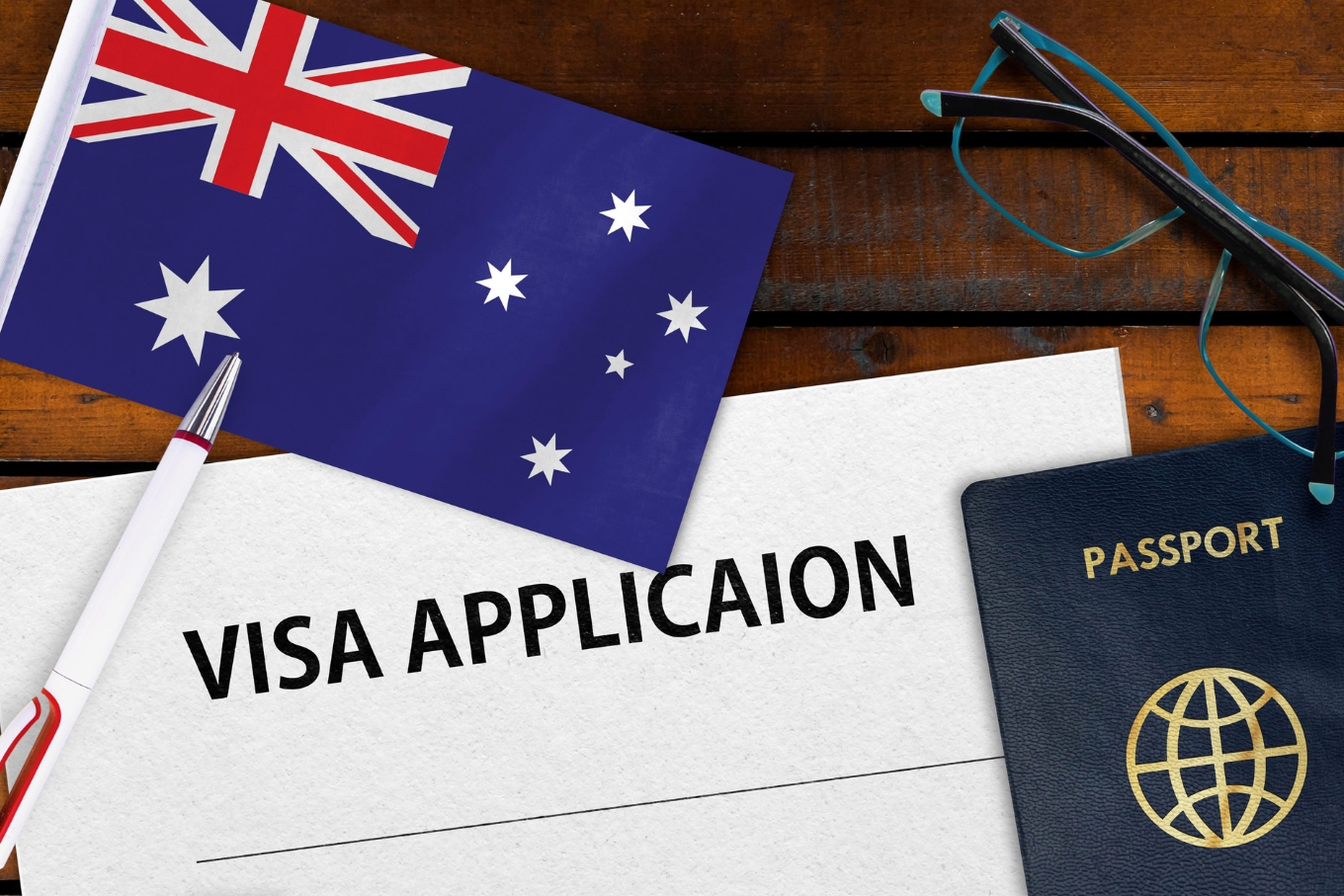
When considering high school study options in Australia, many parents and students often ask: should they choose a public or private school? It is common to assume that private schools are better than public schools—or vice versa.
However, this decision goes beyond tuition fees. It directly impacts the student’s learning environment, ability to adapt, and long-term academic pathway.
Australia’s education system is strictly regulated under the Australian Qualifications Framework (AQF), ensuring that both public and private schools deliver internationally recognised standards of education. Therefore, the real question is not which type of school is better, but which one is more suitable for each individual student.
This article will help you understand the key differences and guide you in making the right choice when studying in Australia.
Key Characteristics of Public and Private Schools in Australia
To make an informed decision, it is important to understand the nature of these two common types of schools.
Public schools (Government Schools) are funded and managed by state governments. Their curriculum follows standardised frameworks, ensuring consistent quality across the system.
Private schools (Independent Schools) operate independently from government funding and may follow specific educational philosophies. They often invest more in facilities and provide a higher level of student support.
Many parents and students tend to distinguish these two types of schools based on tuition fees alone. While this is partly true, it does not provide a complete picture. Below is a comparison of key characteristics between public and private high schools in Australia.
Comparison: Public vs Private High Schools in Australia
| Criteria | Public Schools | Private Schools |
|---|---|---|
| Tuition fees | Approx. AUD 14,000 – 18,000/year | Approx. AUD 20,000 – 45,000/year |
| Class size | 25–30 students per class; larger, more diverse environment | 15–20 students per class; more personalised attention |
| Facilities | Well-equipped to national standards | Modern facilities with strong investment in sports, arts, and extracurriculars |
| Learning environment | Multicultural, with many local students; extracurricular activities available but less specialised | Often values-based (e.g. religious or educational philosophy); diverse and well-structured extracurricular programs |
| Academic pathways | Focus on state certification & ATAR; strong links to vocational pathways (TAFE/VET); encourages independence | Strong focus on academic development, global pathways, and entry into top universities; more personalised support |
Key Factors to Consider When Choosing a School
When deciding between public and private schools for high school study in Australia, it is important to base your decision on clear criteria rather than assumptions.
Based on Next Gem’s experience, families should consider the following key factors to ensure the choice supports both immediate needs and long-term goals.
1. Cost
The cost of studying abroad includes more than tuition fees. It also covers living expenses, insurance, study materials, and other incidental costs throughout the study journey.
- Public schools:
Total costs (tuition + living expenses) typically range from AUD 30,000 – 45,000 per year (approx. 500–700 million VND). This option is generally more stable and suitable for families planning long-term finances with manageable pressure. - Private schools:
Total costs may range from AUD 50,000 to over AUD 70,000 per year (approx. 800 million to over 1 billion VND), depending on the school and location. Additional costs such as boarding, extracurricular activities, uniforms, and facility fees may apply.
It is important to note that actual costs vary by location. Major cities like Sydney and Melbourne typically have living costs 20–30% higher than regional areas, depending on lifestyle and accommodation type (homestay, boarding, or private rental).
2. Independence and Adaptability
This factor is often underestimated but plays a critical role in how well students adapt to studying and living in Australia.
- Public schools:
Suitable for students who are proactive, capable of managing their time, and have a relatively clear academic direction. The larger and more diverse environment encourages independence, but without preparation, some students may feel overwhelmed initially. - Private schools:
Suitable for students who require closer guidance or are new to international environments. With smaller class sizes and structured Pastoral Care systems—including academic monitoring, counselling, and wellbeing support—students often receive more personalised attention and adapt more smoothly.
Choosing the right environment based on personality and ability significantly impacts the overall study experience.
3. Academic Goals and Future Pathways
School choice should align with long-term goals rather than short-term perceptions.
- Public schools:
Suitable for students aiming to complete high school in Australia, achieve a strong ATAR score, and progress to university or vocational pathways (VET/TAFE). This environment promotes flexibility and independence. - Private schools:
Ideal for students with clear academic ambitions from an early stage. Many private schools offer structured support in building academic profiles, extracurricular involvement, and pathways to top universities.
Making the right choice early can help save time, reduce costs, and avoid unnecessary changes in study plans.
4. Learning Environment and Level of Support
This factor directly affects a student’s confidence, wellbeing, and ability to integrate.
- Public schools:
Open, multicultural, and highly reflective of real Australian society. Students have more opportunities to interact with local peers, improving language and social skills, though individual support may be less intensive. - Private schools:
More structured environments with comprehensive support systems for both academic and personal development. This helps students maintain stability and perform consistently, especially during the early stages.
A suitable environment not only enhances academic outcomes but also supports long-term personal development.
You can also explore more here: [FAQ: Common Misconceptions About Public vs Private High Schools in Australia]
Insights from Next Gem
Based on extensive experience working with students and families, Next Gem observes that many school choices are influenced by common assumptions such as “more expensive means better” or “choose the safer, lower-cost option.”
However, the right choice is not the most popular one—it is the one that is:
- Suitable for the student’s academic ability
- Aligned with their personality and adaptability
- Supportive of their long-term goals
- And most importantly, appropriate for the family’s financial situation
In practice, students who choose the right environment from the beginning tend to have more stable learning experiences, face less pressure, and achieve better long-term outcomes.
There is no universal answer to whether public or private schools are better. Each option has its own advantages. The key is to choose the environment that best supports a student’s holistic and sustainable development throughout their study journey in Australia.
>> Contact Next Gem for a personalised assessment and expert advice on choosing the most suitable school—completely free of charge.
Xem thêm: