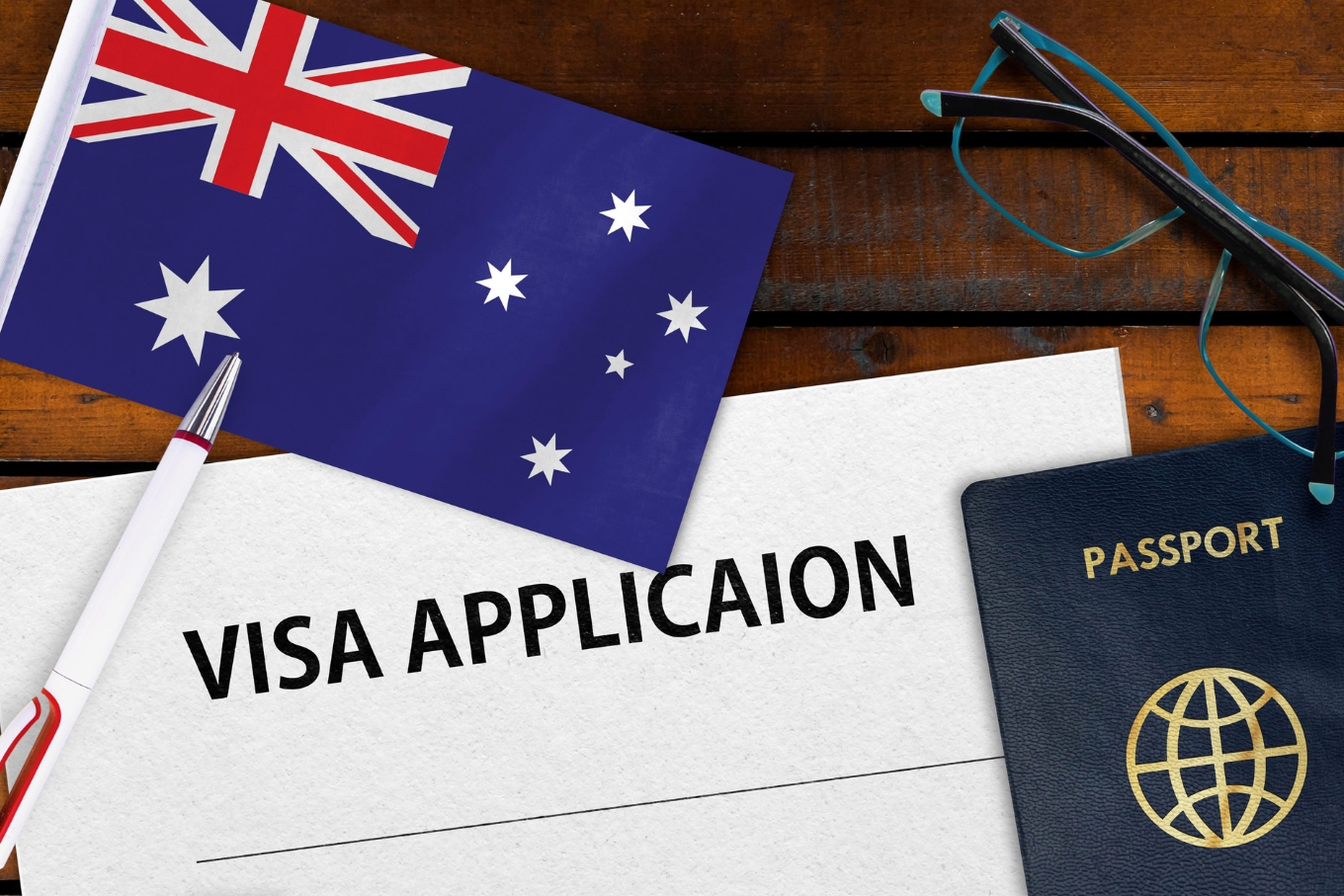
Australia is well known for its strict border control and biosecurity regulations. That means packing your life into a few suitcases is not just about organisation—it’s about understanding the country’s rules. This guide will help you organise your essentials and ensure your journey to Australia starts as smoothly as possible.

1. Why Packing for Studying in Australia Matters?
Many students assume they can “buy anything once they arrive”, but proper preparation offers clear benefits:
- Compliance with entry regulations (critical):
Australia has extremely strict biosecurity laws (covering food, medicine, and biological items). Bringing undeclared items can lead to confiscation, fines (ranging from hundreds to thousands of AUD), or even more serious legal consequences. - Saving initial costs:
The AUD/VND exchange rate can make everyday items like glasses, medication, or stationery surprisingly expensive during your first few weeks without income. - Reducing culture shock:
Having familiar personal items helps you settle in faster and reduces stress during your transition.
2. Study in Australia Packing Checklist: What to Bring
Below is a structured checklist of essential items you should prioritise:
| NO. | CATEGORY | ITEMS |
|---|---|---|
| 1 | Important Documents | Passport, student visa, ID (national ID card), CoE, academic transcripts/certificates (translated), OSHC insurance, flight tickets, driver’s licence (if applicable), passport photos (3×4 & 4×6), accommodation details in Australia |
| 2 | Electronics | Laptop, phone, Australian plug adapter (Type I), chargers, power bank (carry-on only). If buying new devices, consider purchasing in Australia for easier warranty and compatibility |
| 3 | Clothing | Summer clothes, 1–2 heavy jackets, underwear (bring extra), socks, sneakers, one formal outfit (suit or traditional attire) |
| 4 | Study Supplies | Pens, highlighters, notebooks, backpack, essential books (if necessary) |
| 5 | Medical & Health | Basic medicines (cold, fever, digestion, allergy), prescription medication (with English prescription), spare glasses (if needed), small first aid kit |
| 6 | Personal Items | Daily essentials (towel, toothbrush, toothpaste, shampoo – travel size for first few days), personal skincare or cosmetics |
| 7 | Finances | Some cash (AUD 1,000–2,000; up to AUD 10,000 without declaration), international debit/credit cards (Visa/Mastercard). Amounts above AUD 10,000 must be declared |
Notes:
- Always declare food and medication honestly
- Scan and back up all documents online
- Don’t overpack—Australia has everything you need
- Keep a basic outfit and essentials in your carry-on in case of lost luggage
- Prepare an international SIM/eSIM and digital copies of documents for immediate use upon arrival
3. What Should You NOT Bring?
To avoid issues at customs and save space, avoid packing the following:
| NO. | CATEGORY | ITEMS |
|---|---|---|
| 1 | Fresh Food | Meat, eggs, fresh fruits – strictly prohibited due to biosecurity risks |
| 2 | Meat-based Products | Instant noodles with meat sachets, dried pork (floss), sausages, etc. – likely to be confiscated and fined |
| 3 | Plants & Seeds | Seeds, dried flowers, bamboo/wooden handicrafts without clear origin |
| 4 | Heavy Books | Australia has modern libraries and digital resources—bringing too many books may exceed baggage limits |
| 5 | High-power Electrical Appliances | Rice cookers, irons, hair dryers—better to buy in Australia (e.g. Kmart, Big W) at affordable prices and correct voltage |
Notes:
- If carrying packaged food or dried goods with labels, always tick “YES” on your Incoming Passenger Card for inspection
- Be honest in your declaration—even if items are discarded, it’s better than facing penalties
- Bringing prohibited items can lead to fines, visa cancellation, or legal consequences—always check regulations carefully
4. Smart Packing Tips for International Students
To keep your luggage compact and within airline limits, consider these tips:
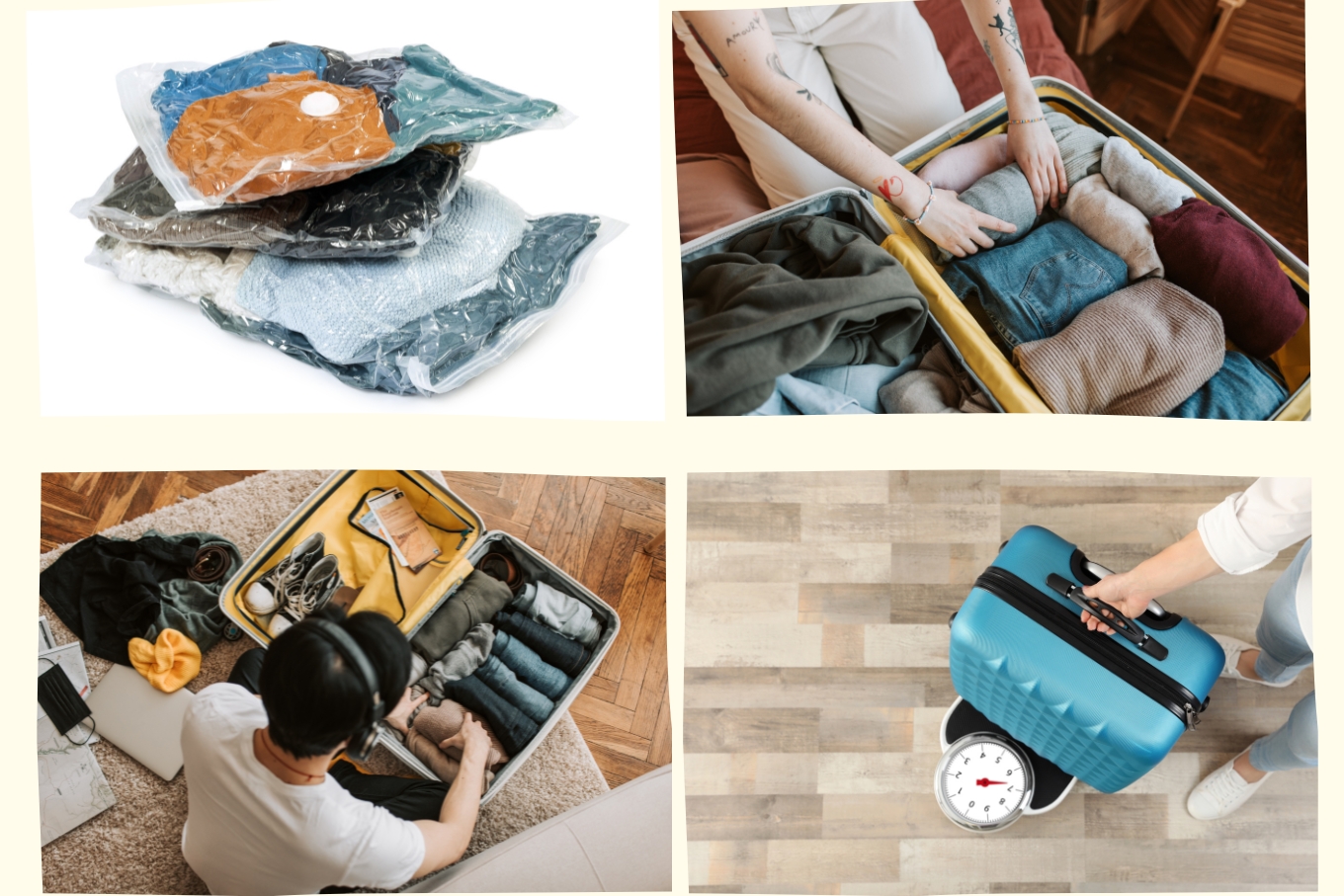
- Use vacuum bags: Great for bulky items like jackets or blankets, saving significant space
- Roll your clothes: Reduces wrinkles and maximises space for smaller items like socks or accessories
- “Heavy items at the bottom” rule: Place shoes and heavier items near the wheels for better balance and protection
- Weigh your luggage at home: Avoid surprises at the airport—leave a 1–2kg buffer for scale differences
Pack Smart = Start Strong
Packing for Australia isn’t about bringing more—it’s about bringing the right items, understanding regulations, and optimising space and cost.
A well-organised suitcase helps you feel more confident at immigration, travel more easily, and start your journey on the right foot.
Remember, Australia is a modern country—you can find almost anything you need there. The most important things you bring are your determination and an open mindset to embrace new experiences.
>> Contact Next Gem today for personalised guidance and a clear study pathway aligned with your future goals in Australia.