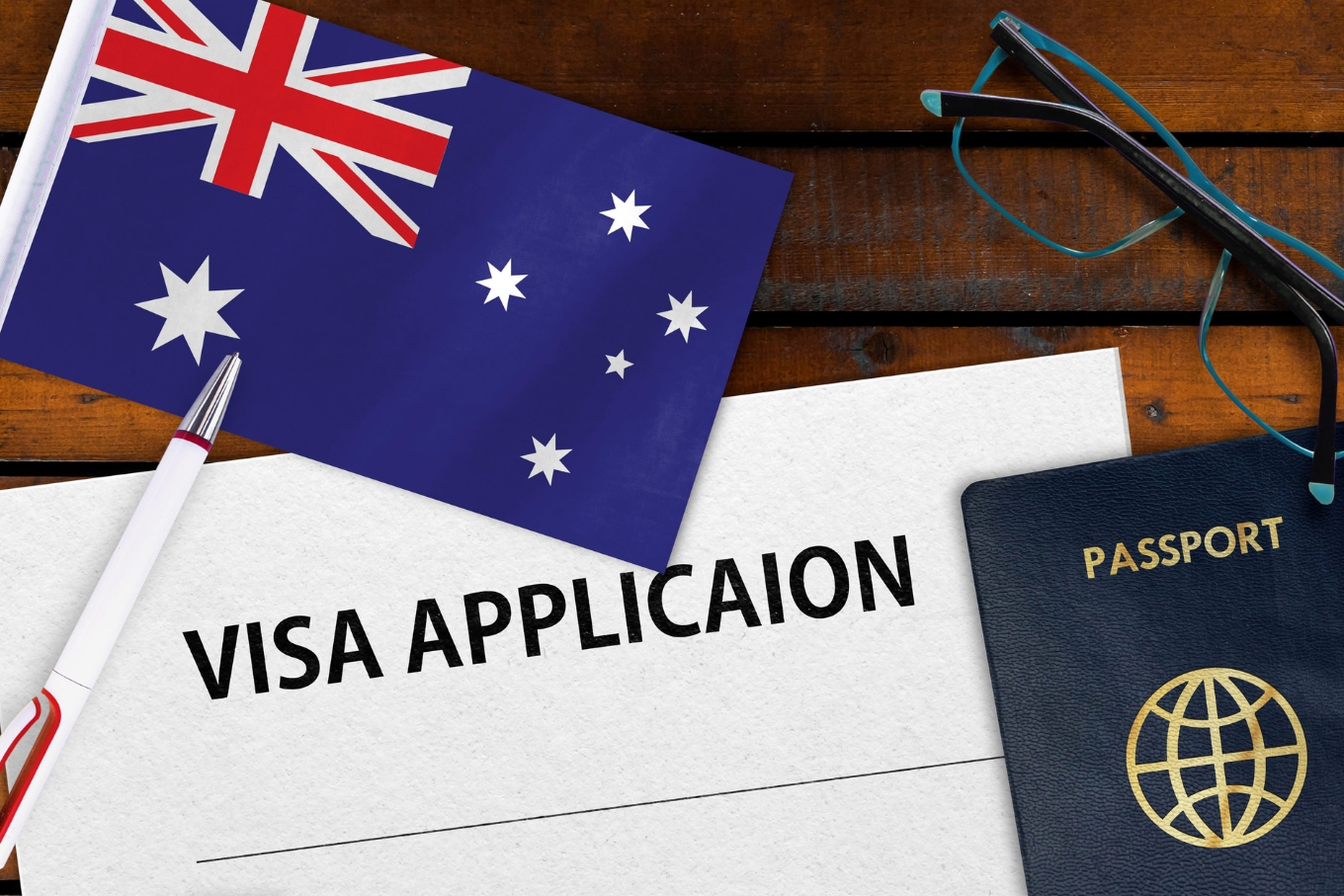
You could be held up at an Australian airport because of a small food item in your bag or a simple mistake on your arrival declaration. In reality, many first-time international students experience situations such as baggage checks, incorrect declarations, or difficulty understanding questions from border officers.
The good news is: these situations are completely normal. What matters most is knowing how to handle them correctly to avoid delays or unnecessary complications.
Below are five common scenarios international students may encounter upon arrival in Australia—and practical tips to help you navigate them smoothly.
1. Overweight Baggage
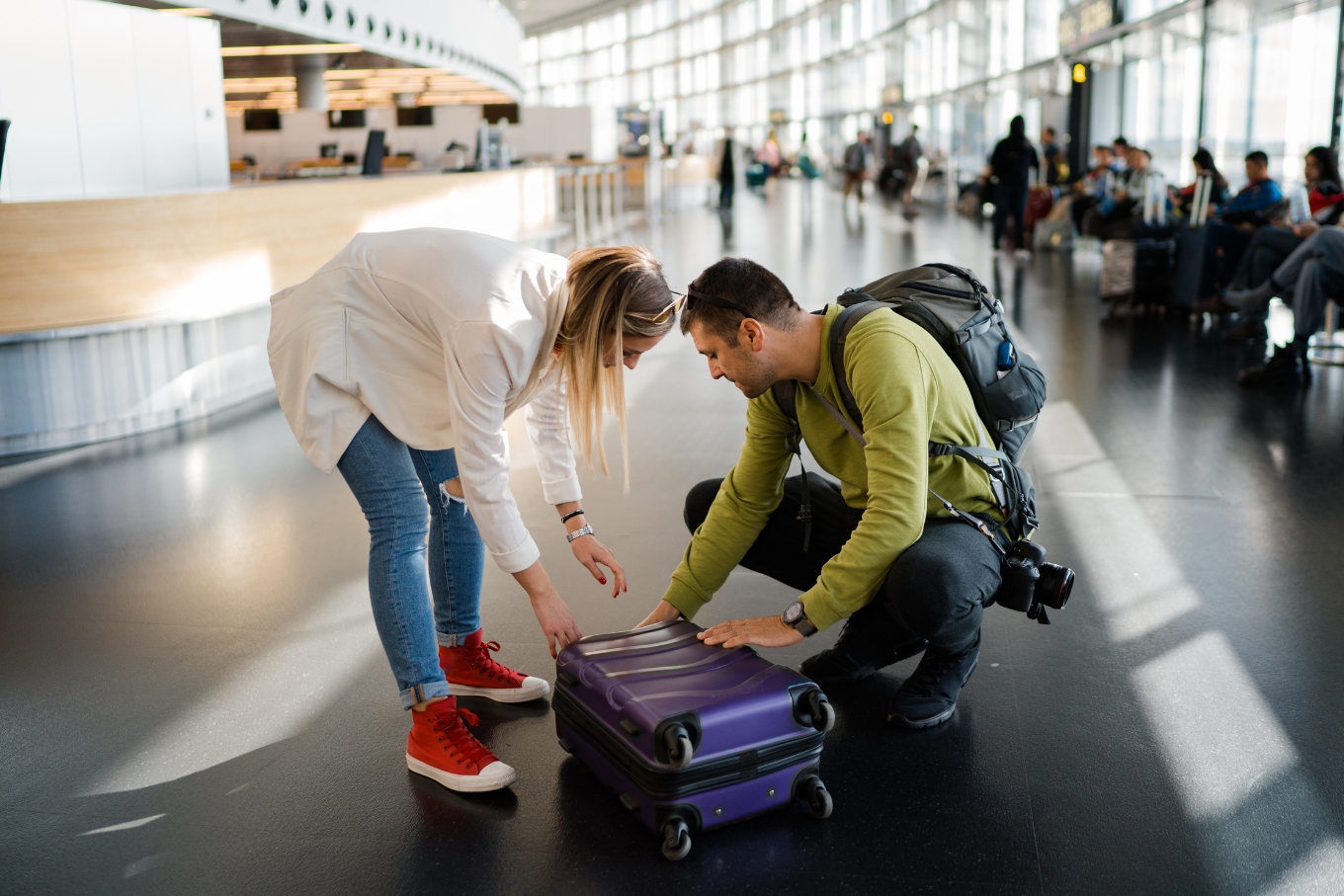
This is one of the most common issues at check-in counters in Vietnam or during domestic connections within Australia.
Many first-time students find themselves repacking their luggage at the airport because they exceed the weight allowance. The challenge is that excess baggage fees at the airport are often expensive and significantly higher than purchasing additional allowance in advance.
How to handle it:
- Slightly overweight? Wear heavier items such as jackets or carry bulky shoes to reduce weight. Use your pockets for small items like chargers or hard drives.
- Move items to carry-on (if allowed): Always bring a foldable tote bag for emergencies. Be mindful of carry-on weight limits and restrictions on liquids and batteries.
- Leave behind easily replaceable items: Toiletries, books, or certain dry foods can be easily purchased in Australia.
- Buy extra baggage as a last resort: While possible at the airport, it is usually costly—so only consider this if necessary.
2. Incorrect or Missing Incoming Passenger Card (IPC)
The Incoming Passenger Card is one of the most important legal documents when entering Australia.
How to handle it:
- Forgot to fill it out on the plane? Don’t worry—blank forms and pens are available before the immigration counters. Simply complete a new one before joining the queue.
- Made a mistake? Inform the officer immediately. You can cross out and correct the information with a signature, or complete a new form.
- Most critical mistake: Declaring “NO” for food or medication when you are actually carrying them (even packaged items). If you realise the mistake before screening, proactively inform an officer. Honesty can help you avoid penalties—or more serious consequences such as visa issues.
3. Biosecurity Screening
Australia is well known for its strict biosecurity regulations. Detector dogs can identify food items even if they are carefully packed.
You may be asked to open your luggage after scanning or if a detector dog signals your bag.
How to handle it:
- Your attitude matters: Stay calm, polite, and cooperative at all times. Avoid frustration or aggressive behaviour.
- Declare honestly: If you selected “YES” on your Incoming Passenger Card for food or medication, even restricted items will typically be confiscated without penalty.
- Provide supporting documents: For medication, present a doctor’s prescription (in English). For packaged food, show clear labels and ingredients.
Keep in mind: failing to declare prohibited items can result in fines and may negatively affect your visa record.
4. Lost or Damaged Baggage
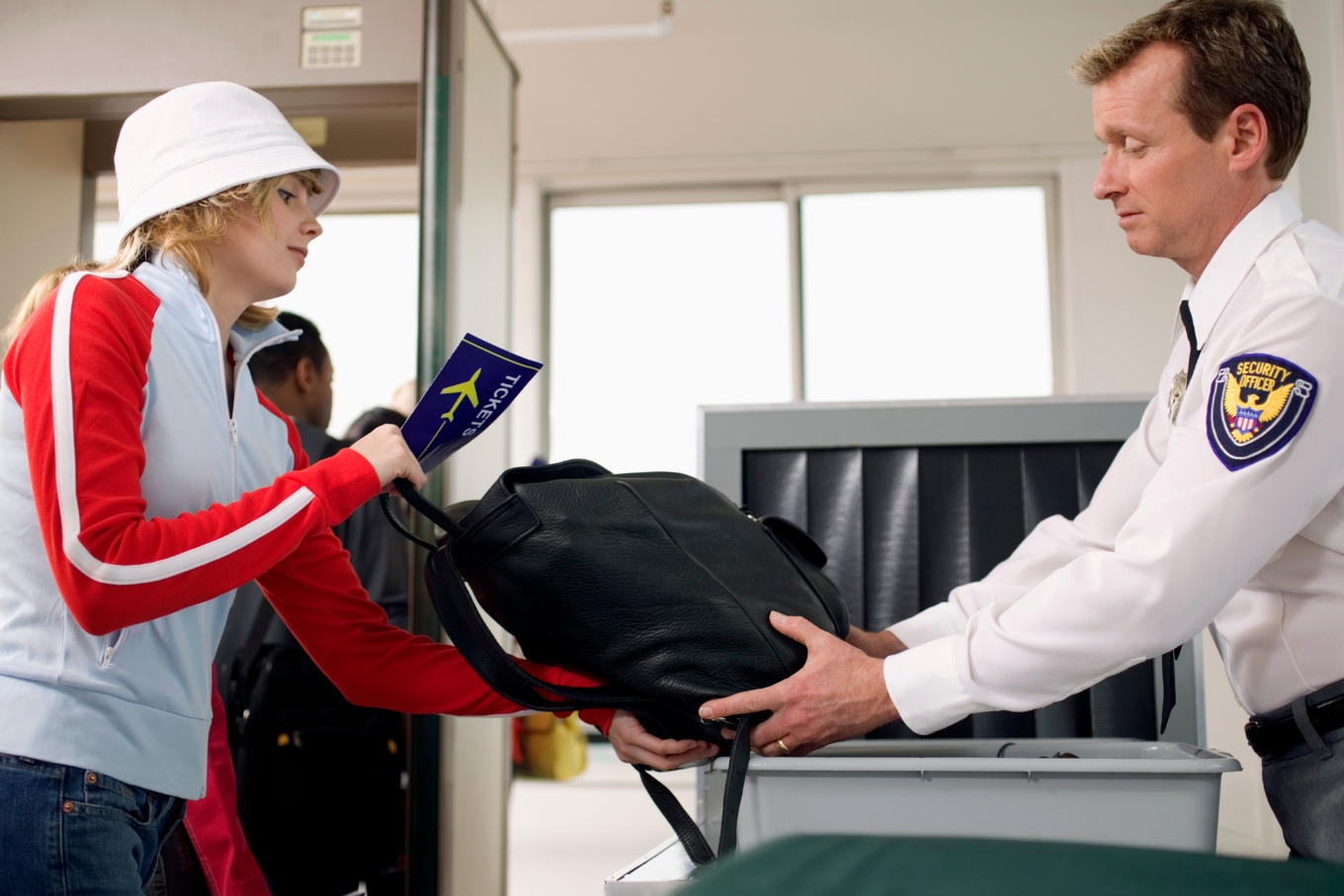
Waiting at the carousel and not seeing your suitcase can be stressful for anyone.
How to handle it:
- Go to the airline desk: Look for the “Baggage Claim” or “Lost & Found” counter of your airline in the arrivals hall.
- Provide details: Show your baggage tag (usually attached to your boarding pass) and describe your suitcase (colour, size, brand).
- Get a reference number: This is essential for tracking your luggage online.
- Leave your Australian address: Request delivery to your home or accommodation once your bag is found. Ask for a contact number for follow-up.
Tip: Take a photo of your luggage before departure and keep at least one or two days’ worth of clothes in your carry-on.
5. Language Barriers at Immigration
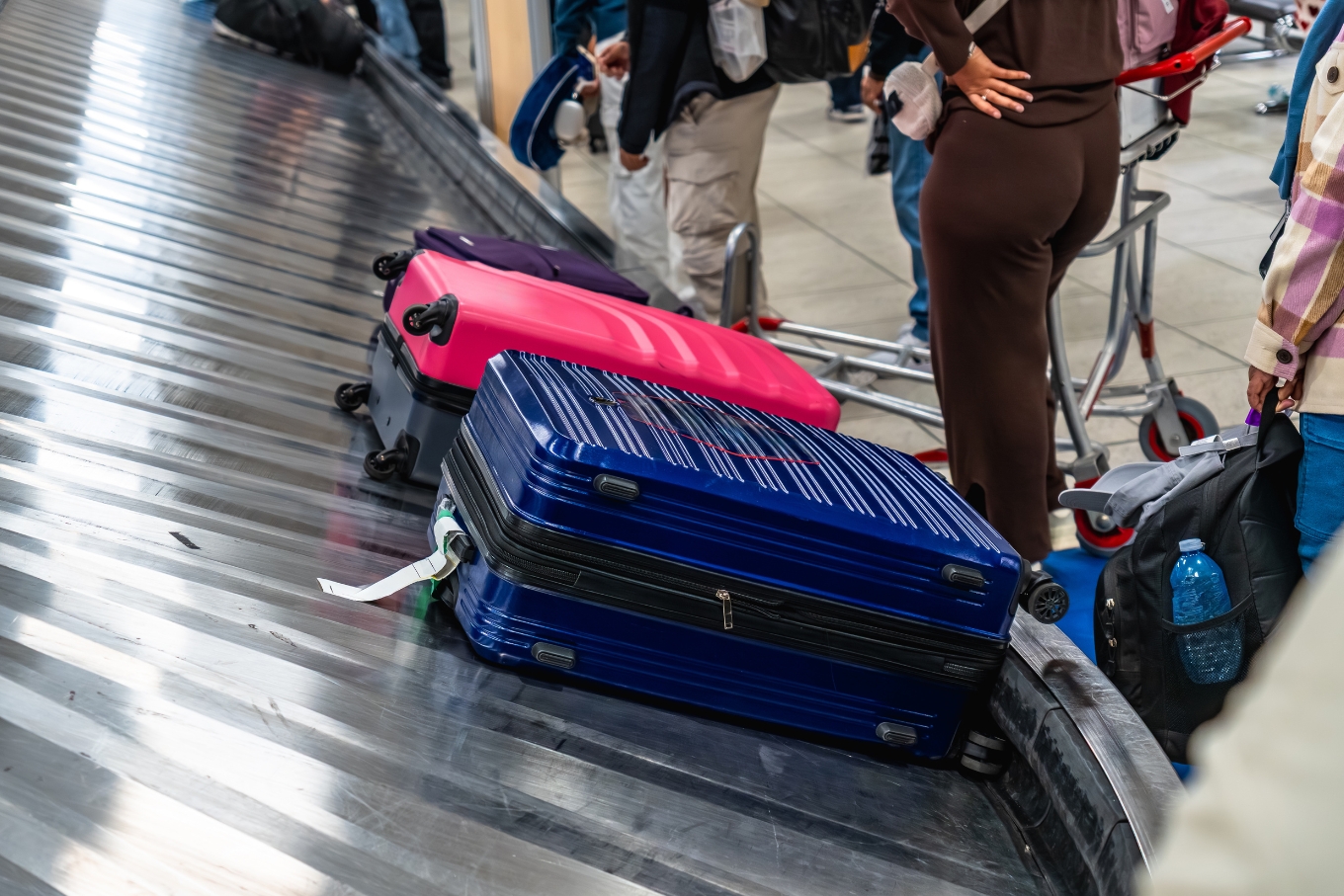
Even students with strong IELTS scores may feel overwhelmed when speaking with Australian border officers, especially due to the local accent.
Stay calm—officers are not there to make things difficult if you are cooperative.
How to handle it:
- Speak slowly and clearly: Don’t hesitate to ask the officer to repeat or clarify their question.
- Prepare your documents: Keep your Incoming Passenger Card, passport, and Confirmation of Enrolment (CoE) ready. This helps officers quickly understand your purpose of travel.
- Ask for assistance if needed: You have the right to request language support at the airport.
Tip: Organise your passport, visa, CoE, and accommodation details in a clear folder for easy access.
Don’t Panic—Prepare in Advance
In reality, most airport situations are manageable and not dangerous. What makes the difference is your preparation, honesty, and ability to respond calmly.
It’s not about avoiding every possible situation—it’s about being ready for them.
With the right preparation, your arrival experience will be much smoother, allowing you to start your study journey in Australia with confidence and peace of mind.
Preparing a well-planned packing checklist and understanding arrival procedures can significantly reduce risks from the very first step of your journey.
>> Contact Next Gem today for personalised guidance on your Australia study pathway and comprehensive pre-departure support.