From 12 November 2026, applicants for the Training visa (subclass 407) will generally be required to be outside Australia when they lodge their application and when the visa is granted. This change is particularly important for temporary visa holders who plan to transition to a subclass 407 visa to undertake occupational training in Australia.

The key considerations go beyond the new offshore lodgement requirement. Applicants must also consider when to lodge their application, their current visa status and whether they can continue with their training plans after travelling to Australia.
1. What Is Changing for the Subclass 407 Visa from 12 November 2026?
The changes were introduced through the Migration Amendment (Training Visas—Application Requirements) Regulations 2026, legislative instrument F2026L01449.
Effective date: 12 November 2026
Who is affected: Subclass 407 visa applications lodged on or after 12 November 2026.
Under the new rules:
At the time of application
- Applicants must be outside Australia.
- If an applicant lodges their application while in Australia and does not fall within an applicable exception, the application will be considered invalid.
- The fact that ImmiAccount allows an application to be submitted does not mean that the application has been validly lodged.
At the time of visa grant
- Applicants must also be outside Australia when the visa is granted.
- Applicants covered by a specifically prescribed exception may be permitted to be either inside or outside Australia, but must not be in immigration clearance.
What Are the Specific Exceptions?
Instrument F2026L01449 allows the Minister to prescribe certain groups of applicants who may be exempt through a separate legislative instrument, under subregulation 2.07(5) of the Migration Regulations 1994.
However, as at 5 November 2026, no separate registered legislative instrument specifying the groups exempt from the offshore lodgement requirement had been identified.
The explanatory statement accompanying the amendment refers to circumstances that may be considered, including:
- Occupations experiencing genuine skills shortages.
- Circumstances where maintaining family unity may need to be considered.
These are examples of policy considerations, not an established list of exemptions that is already in force.
Therefore, holding a subclass 482, 485, 462 or 500 visa, or working in an occupation experiencing a skills shortage, does not automatically exempt an applicant from the new requirements.
Unless an applicant can confirm that they fall within an officially prescribed exception, they should proceed on the basis of the general rule: they must be outside Australia when the application is lodged and when the visa is granted.
Subclass 407 visa applications validly lodged before 12 November 2026 will continue to be assessed under the rules in effect at the time of lodgement.
Sources: Australian Department of Home Affairs – Changes to Training visa 407 application rules
2. Who in Australia Needs to Pay Particular Attention?
The changes primarily affect temporary visa holders who are planning to apply for a subclass 407 visa to participate in an occupational training programme in Australia.
Current Subclass 485 Visa Holders – Temporary Graduate
This group may consider the subclass 407 visa after graduation to undertake professional training in the workplace.
If a subclass 485 visa is approaching expiry but the training programme or nomination application has not yet been finalised, applicants should assess their offshore application options early and consider suitable arrangements to maintain lawful immigration status.
Current Subclass 462 Visa Holders – Work and Holiday
Some people working in Australia may be supported by an employer to participate in a training programme under the subclass 407 visa.
It is important to understand that an employer’s willingness to provide support does not automatically allow an applicant to lodge a subclass 407 visa application in Australia. The expiry date of the subclass 462 visa and the progress of the sponsorship and nomination processes must be considered together.
Current Subclass 500, 482 or Other Temporary Visa Holders
If you are studying or working in Australia and intend to transition to a subclass 407 visa, you should determine:
- When does your current visa expire?
- Have your sponsorship and nomination applications been approved?
- Do you fall within an officially prescribed exception?
- If you must lodge offshore, can you travel outside Australia and remain there while awaiting a visa decision?
These changes do not mean that everyone currently in Australia must leave immediately. The rules apply to people intending to lodge a subclass 407 visa application on or after 12 November 2026 who do not fall within an applicable exception.
3. Practical Scenarios to Consider
Scenario 1: Your Subclass 485 Visa Is Approaching Expiry, but Your Nomination Has Not Been Approved
This is a situation where timing needs to be carefully assessed.
If the nomination has not been approved, the applicant would generally not yet be in a position to lodge a valid subclass 407 visa application. If the subclass 485 visa is approaching expiry, waiting for the nomination decision may affect the applicant’s plans to remain in Australia.
Steps to consider:
- Confirm the expiry date of your current visa.
- Monitor the progress of your sponsorship and nomination applications.
- Assess whether the application can be finalised and validly lodged before 12 November.
- If a valid application cannot be lodged before that date, consider an offshore application and your visa options during the waiting period.
You should not make decisions about remaining in Australia based solely on your employer’s estimated nomination processing timeframe.
Scenario 2: Sponsorship and Nomination Have Been Approved, but the Visa Application Has Not Been Lodged
If your application is ready but has not been lodged before 12 November 2026, you should check whether you fall within an officially prescribed exception.
If you do not qualify for an exception, your application must be lodged while you are outside Australia.
Approval of the sponsorship and nomination does not create a right to lodge a subclass 407 visa application in Australia after the new rules take effect.
Scenario 3: You Validly Lodged Your Subclass 407 Visa Application Before 12 November 2026
If your application was validly lodged before 12 November, the new rules regarding the location of lodgement will not apply to your application.
The changes do not affect applications lodged before the commencement date.
You should continue monitoring your application, maintain lawful visa status and comply with the conditions of your current visa while awaiting a decision.
Scenario 4: You Lodge Your Subclass 407 Visa Application Offshore but Want to Return to Australia While Waiting
You may be able to enter Australia using another valid visa, provided you meet the requirements and conditions of that visa.
However:
- An offshore subclass 407 visa application does not generate a Bridging visa that allows you to remain in Australia.
- You must comply with the conditions of the visa used to enter Australia.
- You must be outside Australia when the subclass 407 visa is granted, unless you fall within an applicable exception.
- You should not plan your return based solely on estimated processing times, as processing times may change.
4. Why Has the Australian Government Introduced These Changes?
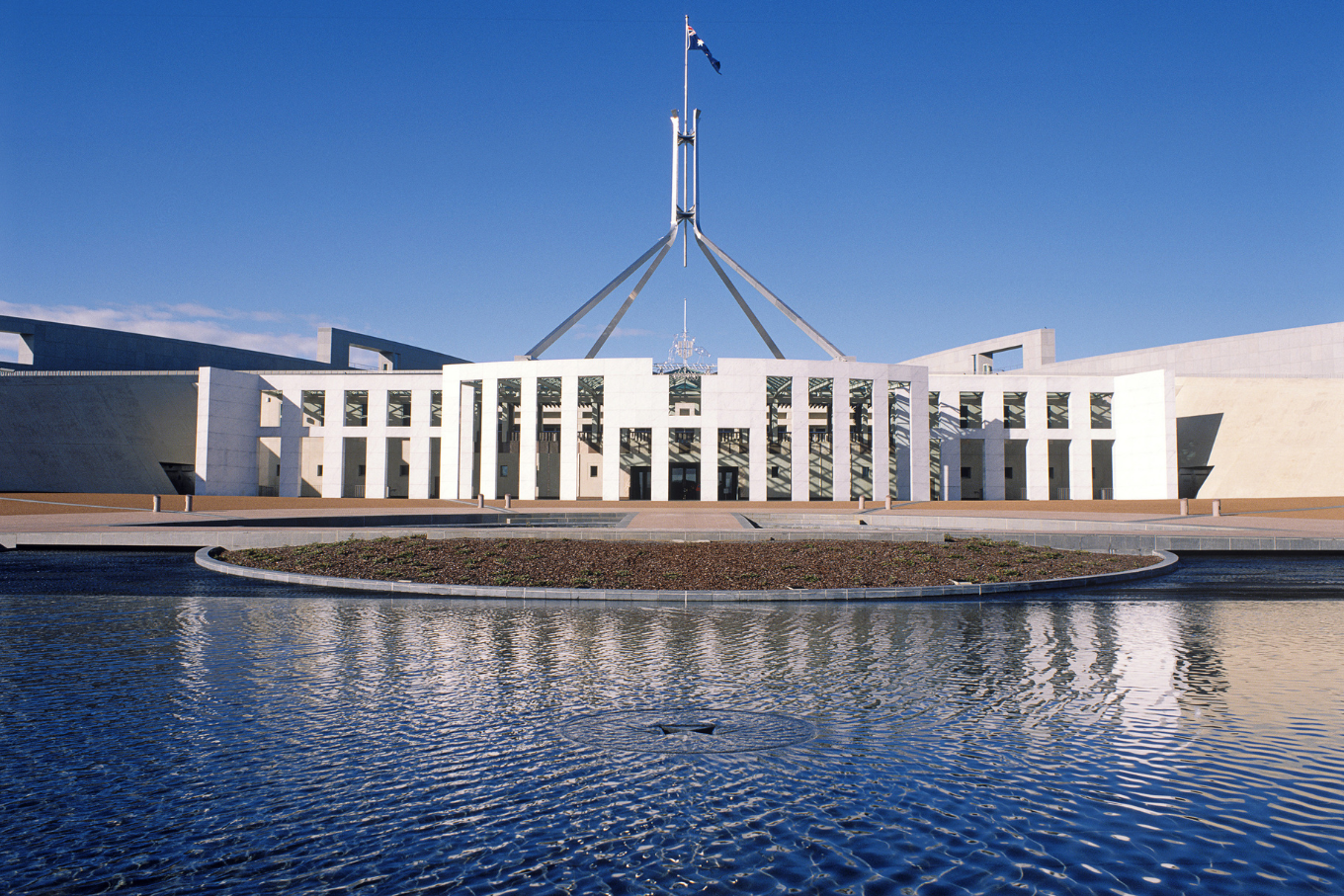
According to the explanatory statement accompanying the amendment, the Government introduced these changes to strengthen the integrity of the Training visa (subclass 407) programme and ensure that the visa is used for its intended purpose.
The subclass 407 visa is designed to support workplace-based occupational training and help applicants develop skills in their current occupation, field of study or area of expertise.
It is not intended to serve as a general pathway for temporary visa holders to extend their stay in Australia.
The changes are intended to achieve three key objectives.
- First, ensure that the subclass 407 visa is used for its intended training purpose: The Government aims to limit the use of training visas as an alternative to work visas or as a means of extending a person’s stay in Australia.
- Second, address visa hopping: The offshore lodgement requirement aims to reduce cases where temporary visa holders repeatedly switch between visa types while in Australia without meeting the intended purpose of each visa.
- Third, strengthen the integrity and sustainability of the migration system: These changes build on sponsorship and nomination reforms that took effect in March 2026. They also support the Government’s broader objectives of managing migration levels and reducing pressure on net overseas migration.
The changes are therefore not intended to abolish the subclass 407 visa, but to ensure that the programme is used by applicants with genuine training needs who meet the relevant requirements.
5. Next Gem’s Perspective
From 12 November 2026, subclass 407 visa applications will need to be planned earlier, particularly for people currently in Australia who intend to transition from another temporary visa to an occupational training programme.
From Next Gem’s perspective, the key issue is not simply the requirement to lodge offshore. It is whether applicants have adequately assessed their current visa status and application progress before making decisions.
An employer’s agreement to provide sponsorship does not mean that the subclass 407 visa application is ready to be lodged if the nomination has not yet been approved.
Similarly, having all the required documents prepared does not mean that an applicant is permitted to lodge their application while in Australia after the new rules take effect.
Before deciding to apply for a subclass 407 visa, people currently in Australia should review the following factors together:
- Their current visa status and permitted period of stay.
- The status and requirements of their sponsorship and nomination.
- Whether the proposed training programme is appropriate for the subclass 407 visa.
- Their ability to lodge offshore and their arrangements for the waiting period.
- Alternative options if the visa cannot be lodged or granted as expected.
The assessment should be based on each applicant’s individual circumstances, rather than choosing the subclass 407 visa solely because it has been suggested by an employer.
If you are currently in Australia and planning to apply for a subclass 407 visa, review your circumstances before deciding when to lodge your application or travel offshore.
Planning the right pathway from the outset can help reduce visa-related risks and avoid unnecessary costs.
The information in this article is based on official legislation and guidance available at the time of preparation. It is intended for general informational purposes only and does not replace migration advice tailored to individual circumstances.
Readers should check the latest information published by the Australian Department of Home Affairs or consult a registered migration agent at Next Gem before making any decisions.
>>Contact Next Gem to arrange an assessment of your circumstances and identify the steps you should take before the new rules officially commence.
Registered Migration Agent: Yen Ngo
MARN: 2619560
Publication date: 5 November 2026