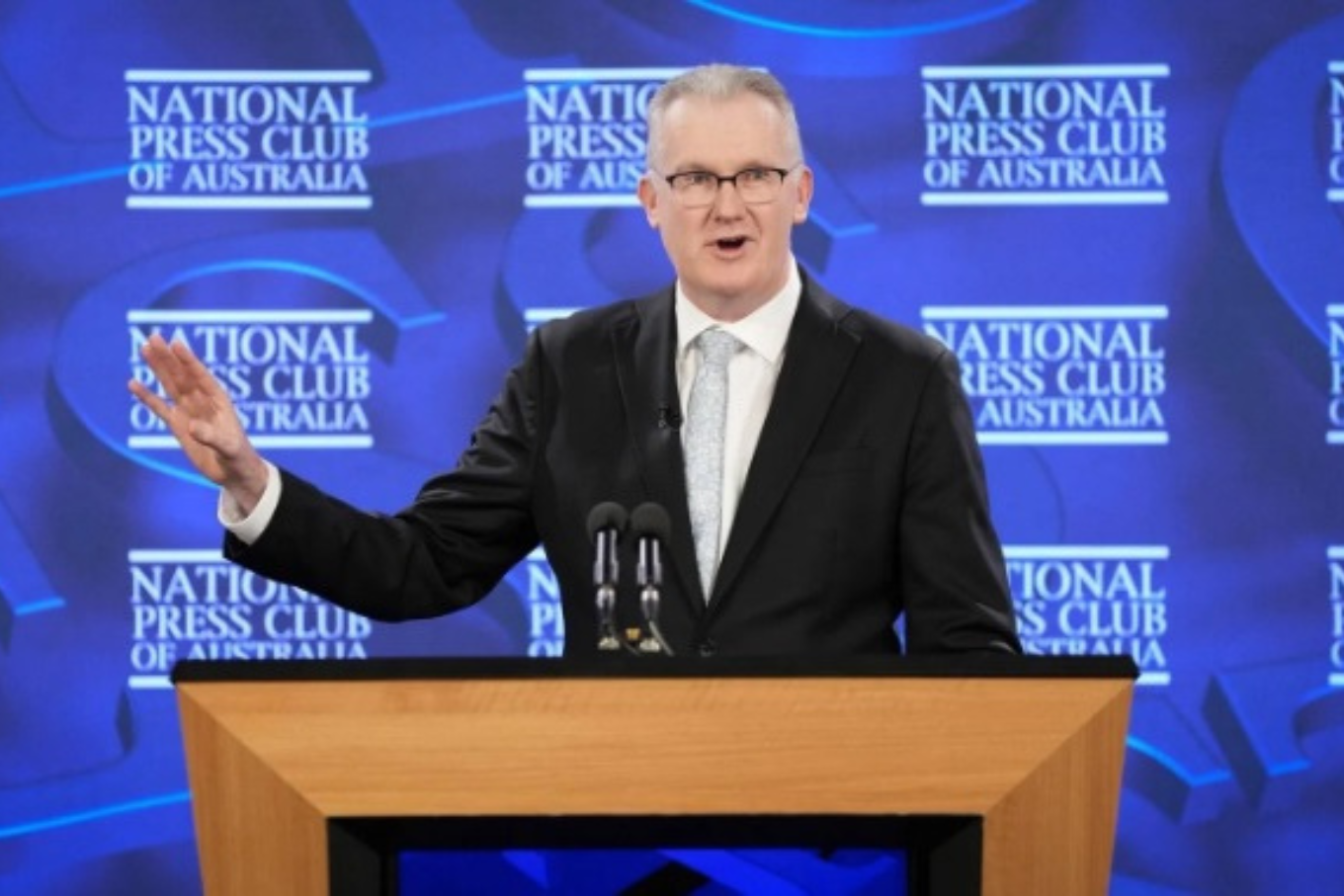
On 17 September 2026, Australian Minister for Home Affairs Tony Burke delivered a speech at the National Press Club, announcing a series of changes to Australia’s migration system. In his speech, the Minister grouped the reforms into three broad areas:
- Who arrives – Who comes to Australia?
- Who stays – Who can continue to stay?
- Who leaves – Who is required to leave?
The Government has identified six key areas of reform:
- People who no longer hold a valid visa
- International students
- Visitors
- Working Holiday Makers
- Skilled Migration
- Migration Agents
Key Changes Announced on 17 September 2026
1. Tightening “Visa Hopping”, Limiting Accompanying Family Members and Requiring Study Progression
- Not every move from one visa to another will be considered “visa hopping”.
- A “qualification scale” will be introduced, based on the level of qualifications, with international students expected to progress to a higher level of study, such as moving from a Bachelor’s degree to a Master’s degree.
- New international students and new Graduate visa holders will generally no longer be able to automatically bring family members as accompanying dependants as before. Some exceptions will apply, including for ASEAN and Pacific nationals and certain study programs such as PhD programs. Families whose accompanying family members are already in Australia will not be affected by this change.
2. Reforming the “Points Test” to Prioritise Skills Australia Needs
- The Points Test will be reformed to select skills that provide greater economic benefits to Australia.
- Housing trades will receive the same level of points as university qualifications under the new Points Test.
- Ministerial Direction 119 will be updated to prioritise the processing of Skilled Migration applications in areas such as healthcare, construction, education, law enforcement, defence, resources, agriculture, aquaculture and fishing.
- Priority processing does not mean a visa will be granted automatically. Applicants must still meet the relevant eligibility requirements for their visa category.
3. Working Holiday Maker: Ballot for the Second and Third Years
- A ballot system will be introduced for people seeking to continue into their second and third years.
- Regional work will remain a requirement for applicants covered by the new arrangements.
- The number of places expected to be allocated through the ballot is 45,000 places for the second year and 5,000 places for the third year.
The Government will also work to stabilise Working Holiday Maker visa processing times.
4. Visitor Visas: Introducing a “No Further Stay” Condition
- Visitor visas will be subject to a “No Further Stay” condition to ensure that visitor visas are used for their intended purpose.
- This change will apply to Visitor visas granted in the future and is not intended to change the status of people who are currently in Australia.
5. Increasing Enforcement Against People Without a Valid Visa
- The Government will increase resources to deal with people who remain in Australia after their visa is no longer valid.
- An additional 100 compliance officers and approximately 250 additional beds at immigration detention facilities will be provided.
- The Government is also considering using a former quarantine facility in Melbourne as an additional immigration detention facility.
- The objective is to strengthen compliance and ensure that people who no longer have a legal basis to remain in Australia leave the country.
6. Cracking Down on Migration Agents Supporting Applications Without Merit
- The Code of Conduct for Migration Agents will be amended to address conduct involving support for or encouragement of visa applications that have no proper basis.
- Agents who knowingly assist with such applications may face penalties or cancellation of their registration.
- The aim is to strengthen the integrity of the migration system and reduce the use of visa applications to extend a person’s stay in Australia without a genuine basis.
What Is the Purpose of These Changes?
1. Managing the Scale of Migration and Population Growth
The Government’s target of reducing Net Overseas Migration (NOM) to 245,000 in 2026–27 and 225,000 in 2027–28 indicates a stronger focus on managing the number of people coming to and remaining in Australia, rather than allowing population growth to increase too rapidly and place additional pressure on housing, infrastructure and public services.
2. Moving from “Staying by Switching Visas” to “Staying Through a Suitable Pathway”
The measures relating to visa hopping and the qualification scale indicate that the Government wants to distinguish between a legitimate pathway of study → further qualifications → employment → meeting the requirements for the next visa, and repeatedly changing courses or visas simply to extend a person’s stay in Australia.
As a result, the logic and consistency of an overall pathway will become increasingly important.
3. Aligning Migration Policy with Actual Labour Market Needs
The changes to the Points Test and the prioritisation of certain occupations indicate that Australia continues to need skilled migrants, while the Government wants to direct Skilled Migration towards areas experiencing workforce shortages.
For students, this means that choosing a field of study should not be based solely on personal interests or current visa options. It is also important to consider future employment opportunities and Skills Assessment requirements after graduation.
4. Strengthening Compliance and Reducing the Misuse of Visas
From Visitor visas and visa hopping to dealing with people who overstay their visas and migration agents supporting applications without merit, these changes are aimed at making it clearer:
- Who has a genuine basis for coming to Australia;
- Who has a valid basis for continuing to stay; and
- When a person is required to leave Australia.
If You Are Planning to Come to Australia or Are Already in Australia
- Build a clear study and career pathway, rather than focusing solely on ways to extend your stay in Australia.
- Choose a field of study that aligns with your career goals and workforce needs, while researching qualification requirements, Skills Assessment and future visa options in advance.
- Check your visa conditions and visa expiry date carefully, particularly if you are already in Australia and planning to move to another visa.
- Follow official government announcements and guidance to understand the exact commencement date, exemptions and transitional arrangements for each change.
- Build a clear and realistic plan: This may be one of the most important considerations following the latest announcements. A sustainable plan should be based on your academic ability, professional skills, employment prospects and actual visa eligibility, rather than simply relying on visa changes to extend your stay in Australia.
The changes announced on 17 September 2026 show that preparing an application and planning to come to Australia will increasingly require careful consideration from the outset. As migration policies continue to evolve, keeping up to date with official information will be important to help each person make informed decisions that align with their own goals.
>> Follow Next Gem for the latest updates on studying in Australia and Australian migration policy.